What Does It Mean to Cover the Spread in College Football?
If you’ve ever found yourself scrolling through ESPN’s sports betting section or reading heated debates on social media platforms about “the college football spread” and who’s covering it, you’re not alone. Betting on college football involves more than just picking who wins or loses — it hinges Click here for info on understanding concepts like “covering the spread” and “ATS meaning.” In this post, I’ll break down what it means to cover the spread in college football, how the https://xn--toponlinecsino-uub.com/what-should-you-look-at-first-injuries-weather-or-the-spread/ point spread affects late-game scenarios, and why digging into matchup research and stats is crucial for making smart bets.
Understanding the Point Spread: More Than Just a Number
Let’s start with the basics. In gambling lingo, the point spread — often just called “the spread” — is a handicap set by oddsmakers to make betting on either team equally attractive. Think of it as a way to level the playing field between a favorite (the team expected to win) and an underdog.
For example, if Oklahoma is favored by 10 points over Texas Tech, the spread might look like this:
Team Point Spread Oklahoma -10 Texas Tech +10In this case, Oklahoma must win by more than 10 points to “cover the spread.” Meanwhile, Texas Tech covers if they win outright or lose by fewer than 10 points.
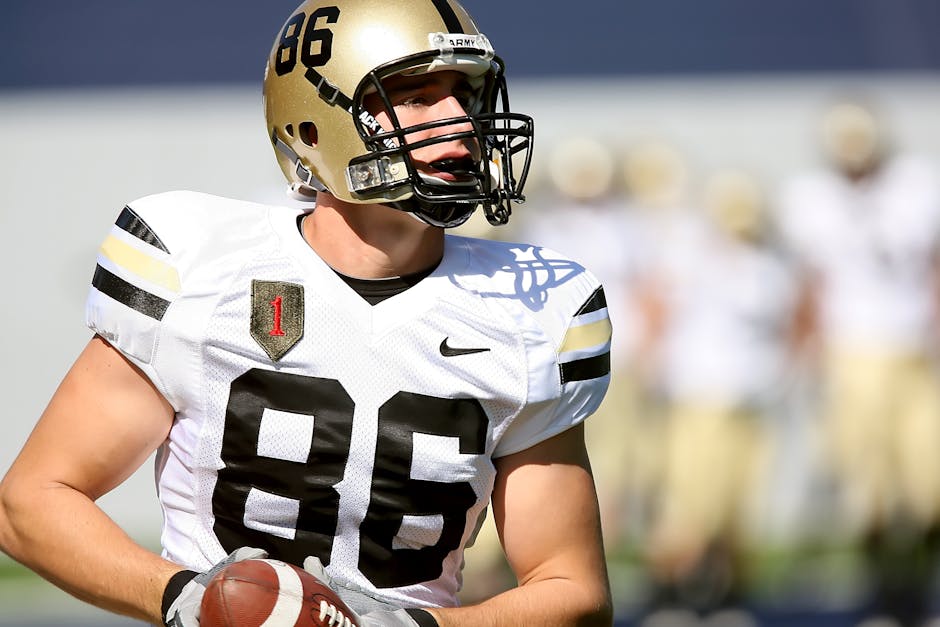
Covering the Spread vs. Winning the Game
This is where some casual fans get tripped up. It’s possible for a team to lose the game but still “cover the spread.” For instance, if Oklahoma beats Texas Tech 27-20, Oklahoma wins by 7 points, but since they were favored by 10, they didn’t cover the spread.
In sports betting shorthand, you’ll also see “ATS,” which means “Against The Spread.” If a team covers, they're “winning ATS.” A bettor who picked Oklahoma -10 in that scenario would lose their bet, even though Oklahoma won the game.
Why Point Spreads Matter in Late-Game Scenarios
The point spread doesn’t just influence wagers before kickoff — it colors every play from kickoff to the final whistle. Teams and coaches may have stakes in the bet indirectly (say, for rivalry bragging rights), but bettors are intensely focused on the margin of victory:
- Closing line movement: Most sportsbooks, including what you’ll see tracked on ESPN, adjust the spread based on bets leading up to the game. Lines might start as Oklahoma -9 and close at -10.5, reflecting where the money is going.
- Late-game strategies: When a team is ahead by fewer points than the spread, bettors watching the clock tick down often root for more scoring or defensive stops. Sometimes, teams might play conservatively to secure the win but not cover, frustrating bettors.
- Key moments affect totals too: Coaches with a lead that doesn’t cover the spread may choose to run down the clock rather than pile on points, impacting totals and offensive pace.
As someone who always checks line movement again 30 minutes before kickoff, I can’t stress enough how valuable late changes in the spread and money flow are for refining bets.
Covering the Spread in College Football vs. Totals and Pace in College Basketball
While “covering the spread” applies primarily to point spreads, there’s also “totals” betting — often called the “over/under” — relevant in both football and basketball. For college basketball, pace is king:
- Does a game feature two fast-paced offenses prone to scoring in bunches? The total will be higher, and bettors may wager on the over.
- Conversely, if two grind-it-out teams with strong defenses meet, the total is likely lower, boosting under bets.
In football, totals can be influenced by weather, which is a quirk I always note during my research. Rain or wind tends to lower scoring expectations and total lines, affecting how bettors approach the spread and totals alike.
Matchup Research and Film-Stat Analysis: How to Think ATS
Bets aren’t just numbers on a page — smart bettors like those contributing to ESPN’s sports betting section or active on Twitter and Reddit forums often analyze:
- Team strengths and weaknesses: Where does each team excel? Is the favorite’s passing offense going against a leaky secondary? How do underdogs fare on third down?
- Situational stats: Some teams cover the spread more frequently at home or on particular surfaces.
- Injuries and game-changing absences: Losing a star QB or defensive leader can swing the spread impact drastically.
- Film study: Watching highlights or full games helps identify tendencies — do certain teams slow down after halftime or get away from the run early?
This kind of research leads to more nuanced picks than just blindly taking popular teams or favorites. Trust me, fans betting with their heart and not based on film or numbers is one of the biggest annoyances in this community.
Wrapping Up: Covering the Spread Is Its Own Game
To sum it up:
- Covering the spread
- It’s subtly different from simply winning or losing the game — which is why bettors need to think ATS meaning and line movements.
- Late-game dynamics and totals interplay with the spread, especially with weather and pace considerations across football and basketball.
- The best ATS picks come from deep matchup research, film study, and tracking oddsmaker line movements — not viral “sure things.”
So, the next time you’re checking out the latest Big 12 football matchup or scrolling through ESPN’s betting section, remember that covering the spread is about the margin, the movement, and the matchups. It’s where math meets grit and strategy — and where serious bettors earn their edge.
As always, be sure to keep an eye on that line movement right before kickoff, and don’t forget to watch how weather and pace might quietly change the game.
Ready to apply this knowledge? Start by comparing opening and closing spreads on your favorite sites, track your own notes on weird games, and most importantly — keep your heart out of the bet.